




When I became a mom, I assumed toddlers mostly wanted to play with their toys. That the goal was to have the right activities, enough to keep them occupied and happy. What I learned very quickly — and what changed everything about how I set up our home — is that my daughter didn’t just want to play. She wanted to participate. She wanted to be involved in everything we were doing. She wanted to be present, engaged, and right in the middle of our everyday life.
Once I understood that about her, everything shifted. And the changes I made were small, intentional, and not expensive. But the difference they’ve made in how she moves through our home — how capable she feels, how at ease she is, how confidently she does things independently — has been one of the most rewarding things about this season of parenting.
Here’s exactly what we did, and why I think it matters.
Why Toddler Independence at Home Matters More Than You Think
I think often about how strange it must be to be a brand new person. You arrive in a world that was fully built before you got here. Everything is too tall, too heavy, too fast. You need help for almost everything — and while that’s completely natural, I imagine it creates a particular longing. The longing to be capable. The longing to belong. The longing to feel at ease in the space you live in.
That thought made me passionate about giving my daughter that feeling of ease and belonging from as early as possible. I want her to feel like our home is as much hers as it is ours. That she belongs here fully. That she’s capable here. That she doesn’t have to wait for permission to access her own life.
And the way I’ve done that is through small, thoughtful decisions about how our home is set up.
A toddler who feels capable is a calmer toddler. A toddler who feels at ease in her own home is a happier toddler. A toddler who can do things independently — even small things, even choosing a snack or picking a book — carries a quiet confidence that shows up in everything she does. These aren’t big investments or complicated systems. They’re just small shifts in how you think about your toddler’s experience of the home you share.
Her Own Shelf in the Pantry
This is one of my favorite details in our entire home, and it costs nothing beyond a little intention.
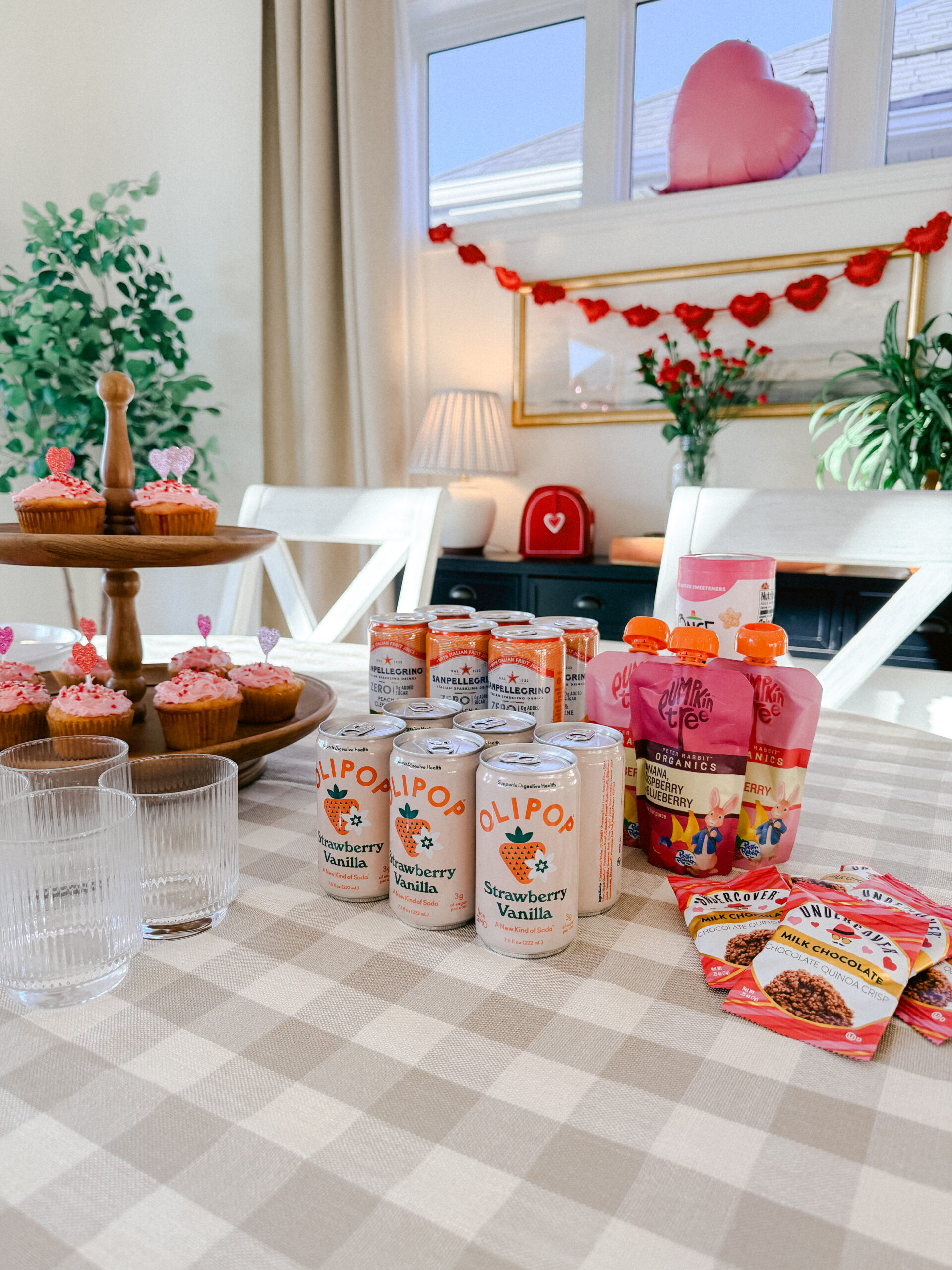
We have one shelf in our pantry that belongs entirely to our daughter. Her pouches, her snacks, everything she loves — all at her level, all accessible without asking. She walks in, goes straight to her shelf, and chooses what she wants. The pride on her face when she does that independently is something I will never get tired of watching.
It’s such a small thing. And it says to her, every single day: you have a place here. Your things are here. You’re at home here.
If you have a pantry with adjustable shelving, designating one low shelf entirely for your toddler’s snacks and favorites is one of the easiest and most impactful things you can do. It requires nothing except a small reorganization and the decision to make that space theirs.
Book Ledges at Her Height
My daughter has loved books from very early on — she began reading at seventeen months and was reading independently by twenty-three months — and so much of that I attribute to access. Her books are on ledges hung specifically at her height, in her room and in her play spaces, so she can see the covers and choose what she wants to read without any help.
When books are visible and accessible, children reach for them naturally. Reading becomes part of how they move through their day rather than something that requires a grown-up to set up. The picture ledge shelves we use are simple, beautiful, and genuinely one of the best home investments we’ve made for her love of reading.
Toy Shelves at Her Height
Same principle as the books — and the results have been just as meaningful.
Our daughter’s toys are on low, open shelving specifically chosen so she can see everything she has and choose independently. We use the Dillon Low Bookcase from Pottery Barn, which keeps everything visible and accessible at her level. When toys are buried in bins or stored on high shelves, children disengage. When they’re visible and within reach, children play more richly, more imaginatively, and more independently.
We also do a Sunday toy rotation — swapping out what’s available each week so everything feels fresh and new — which keeps her genuinely engaged with what she has rather than overwhelmed by too many options at once.
A Step Stool in the Kitchen
This might be my single favorite home decision we’ve made for her independence — and it’s one of the simplest.
We always have a step stool accessible in the kitchen so she can be right next to us when we cook. We bake banana bread together, birthday cakes, peanut butter protein balls. She stirs, she pours, she watches everything with the most focused and curious little expression. Cooking together has become one of our most beloved family rituals — and it started with a step stool that lets her reach the counter.
She also helps unload the dishwasher. She loves to press the buttons on the washing machine. She’s curious about everything we do around the house — and rather than redirecting that curiosity, we lean into it. We say yes. We find ways to make her part of what we’re doing rather than asking her to wait on the sidelines.
A good kitchen step stool — one that’s sturdy, the right height, and always in the same accessible spot — is one of the most worthwhile small investments you can make for a toddler who wants to be involved. It changes the whole experience of being in the kitchen together.
A Consistent, Accessible Home Environment
Beyond the specific items I’ve mentioned, the broader principle is this: everything in our home that belongs to our daughter has a consistent, accessible, designated home. She knows where her things are. She can get to them herself. She doesn’t have to ask, search, or wait.
That consistency — knowing where things live, being able to access them independently — creates a particular kind of calm in a toddler. When children know where things are and can get to them on their own, there’s less frustration, less asking, less of the friction that can make toddler days feel hard. The environment does the work of supporting their independence so you don’t have to manage it constantly.
What This Looks Like in Real Life
I want to be honest that none of this means our daughter plays entirely independently all day. She wants to be with us — that’s who she is — and we want to be with her. We do things together far more than separately.
But the independence these home decisions give her is the kind that happens naturally, in the flow of the day. She chooses her snack. She picks her book. She climbs her step stool and stirs the batter. She makes choices and feels the satisfaction of doing things herself — not because we’ve structured independent play time, but because the home around her makes independence feel natural and easy.
That’s the goal. Not a child who is kept busy and occupied in a separate space, but a child who moves through her own home with confidence, capability, and ease.
A Note on Cost
I want to say this clearly because I think it matters: none of what I’ve described is expensive. A designated pantry shelf costs nothing. Picture ledge shelves are very affordable. A good step stool is one of the most worthwhile small purchases you’ll make. Low open shelving can be found at a range of price points.
The investment here is intention, not money. It’s thinking carefully about your toddler’s experience of the home you share and making small adjustments that say to them, every single day: you are capable, you belong here, and this home is yours too.
That’s the whole thing. And it makes all the difference.