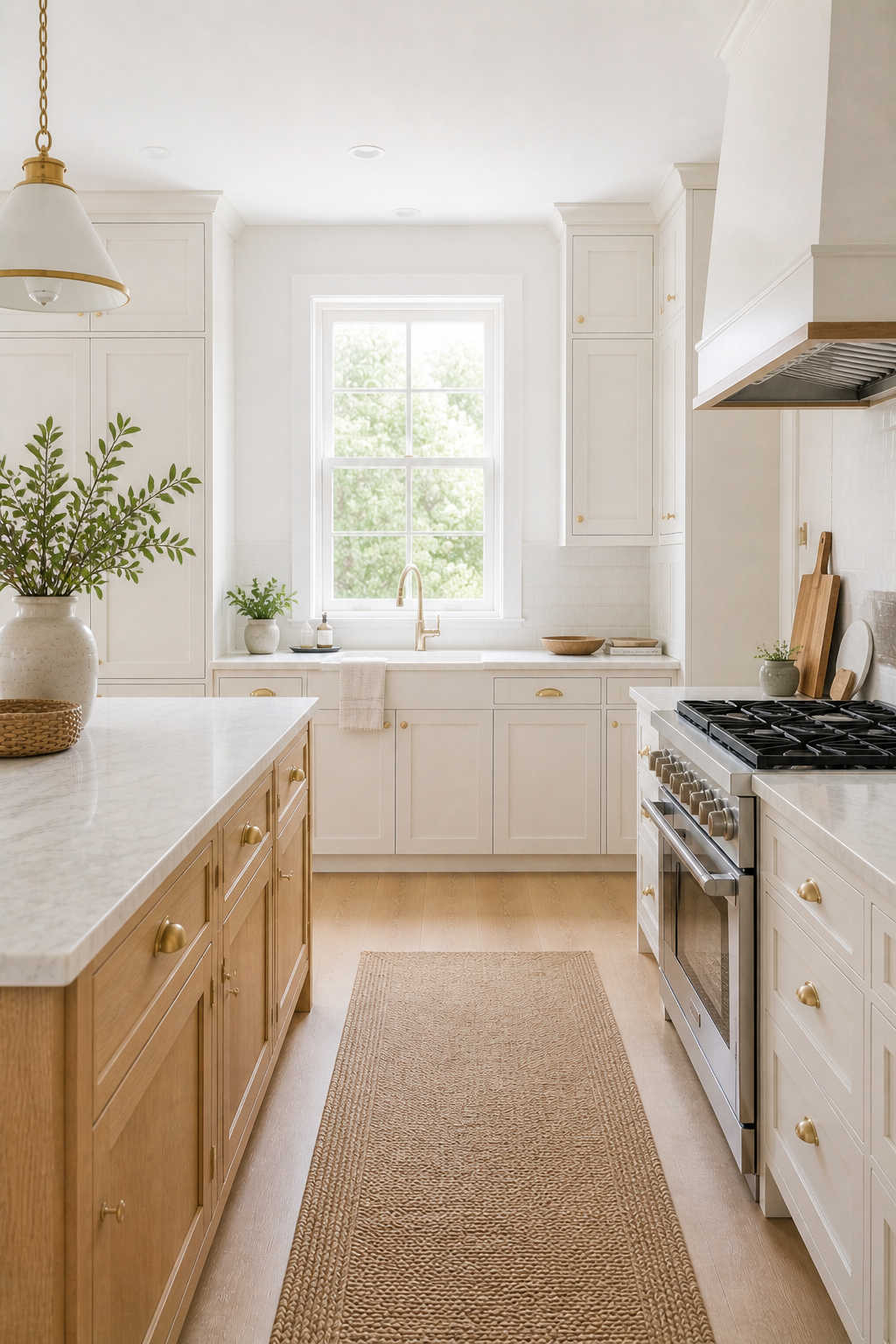
Welcome to Day 16 of 30 Spaces in 30 Days. We’re well into Week 3 now, and the spaces we’re tackling this week are some of the most functional and impactful in the entire challenge. Yesterday was the freezer. Today we’re moving through the kitchen and into the cabinets.
Less Than You Could Have
Most people fill their kitchen cabinets because they have the space. More cabinet space means more room for things, which means more things find their way in, which means the cabinets get fuller and fuller until opening one becomes a small act of navigation.
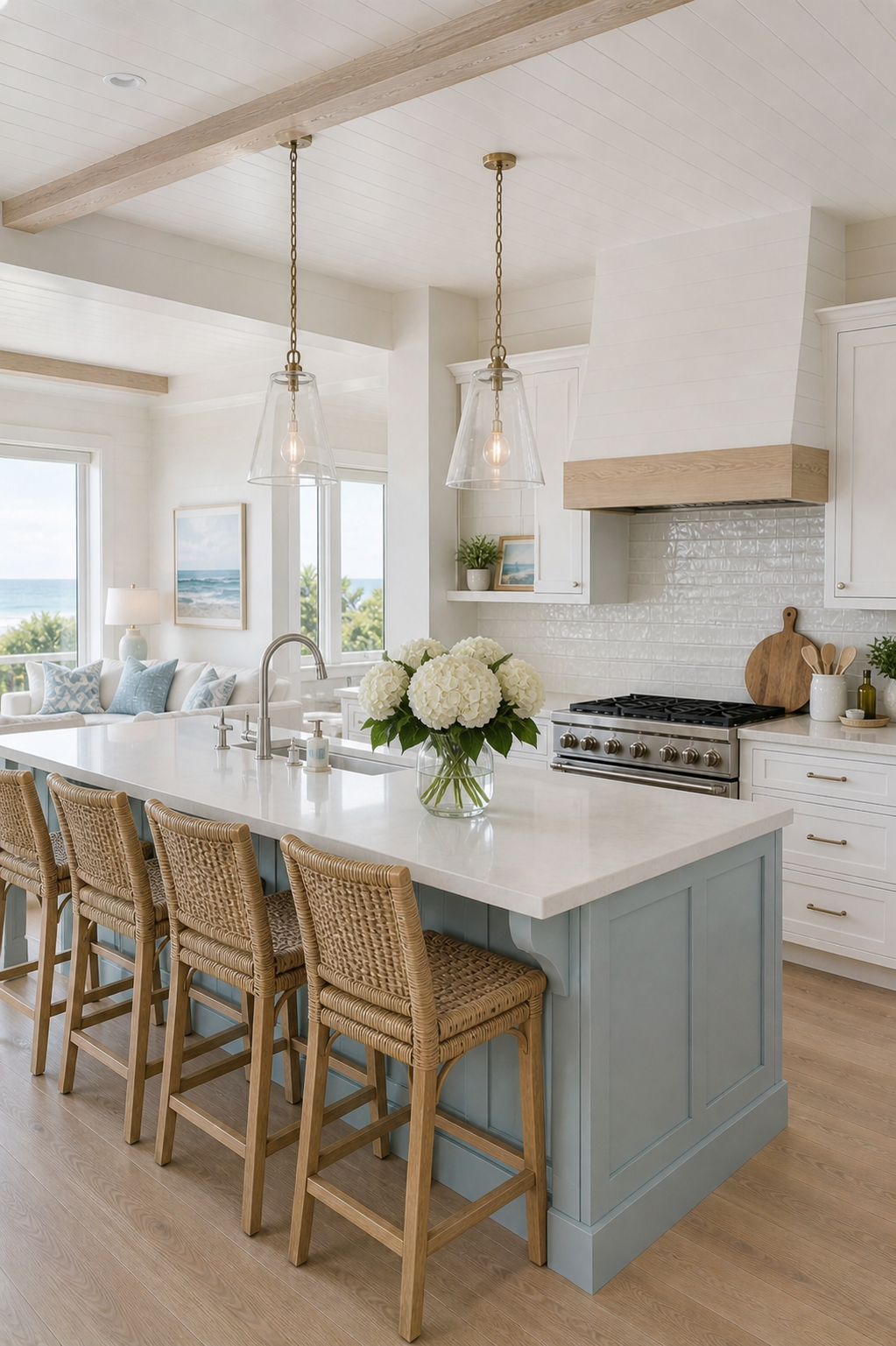
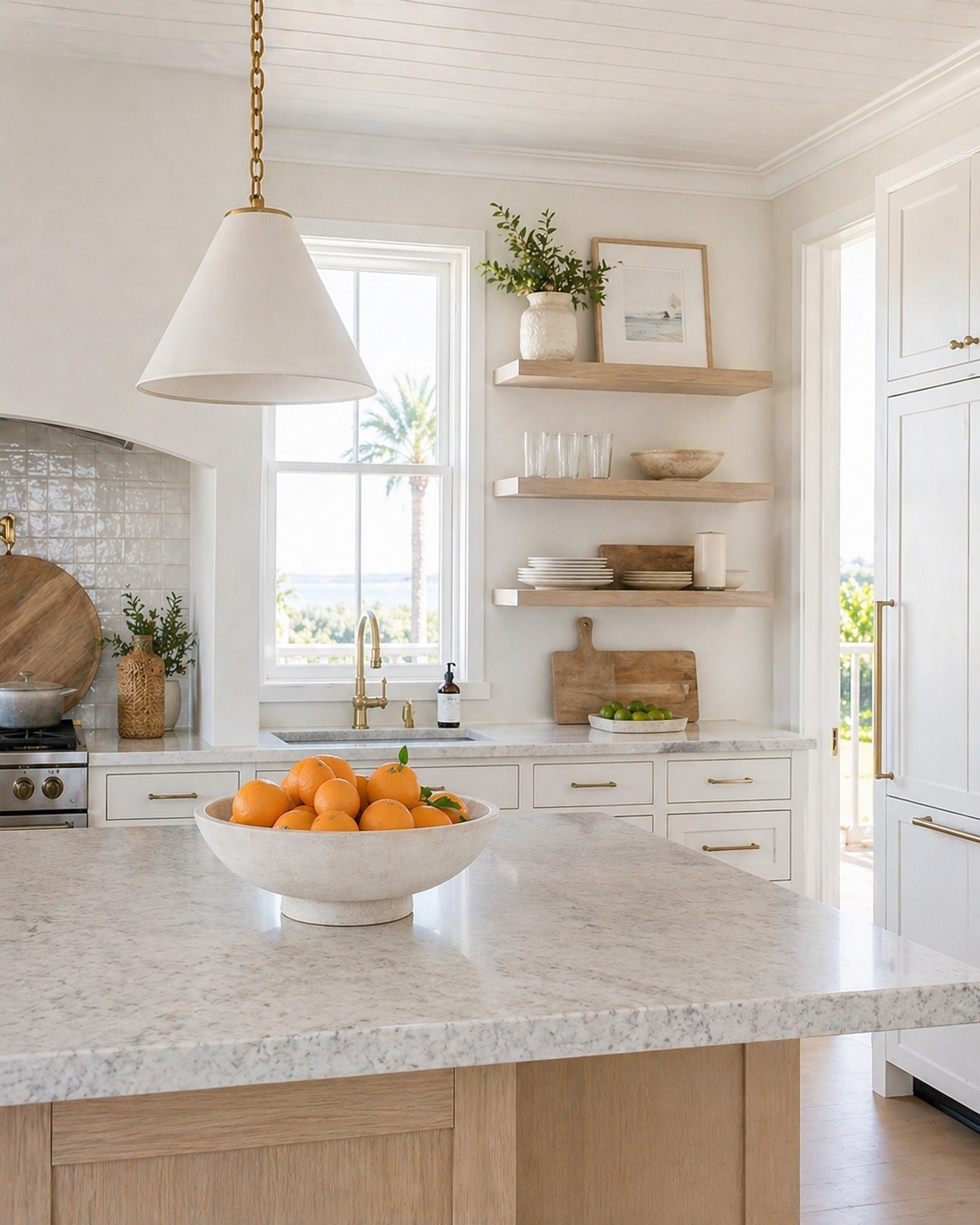
We’ve deliberately gone the other direction. We have more cabinets than we have things to put in them — and that intentional restraint is one of the things that makes our kitchen genuinely enjoyable to cook in. When every cabinet holds only what belongs there and has breathing room around it, finding what you need is effortless. Cooking flows. Nothing requires moving six things to get to one thing.
There’s a real freedom in owning less than you could. In a kitchen especially, that restraint pays off every single day.
Ollie’s Cabinet
I want to tell you about our favorite cabinet in the entire kitchen.
Every cabinet in our kitchen has a toddler lock on it — as any parent of a curious toddler will completely understand. Every cabinet except one. And that one unlocked cabinet belongs entirely to Ollie.
Her playdough lives in there. Her pretend cooking sets, her little kitchen accessories, the things she reaches for when she wants to play alongside us while we cook. I love having her own designated space in the heart of our home, right where the cooking happens, that says, “You belong here too.”
What Kitchen Cabinets Are Really For
Kitchen cabinets work best when they have a clear identity and everything in them earns its place. Dishes and glasses you actually use. Pots and pans that fit your real cooking life — not every pot you’ve ever owned, just the ones you genuinely reach for. Baking supplies if you bake. Appliances that get real, regular use rather than ones that sounded useful at the time and have lived untouched in a cabinet ever since.
The question worth asking today as you go through each cabinet is simple: does this earn its place in my kitchen? Not does it have somewhere to go, not is it technically still good, not did it cost a lot — does it earn its place in the kitchen you actually cook in, for the family you’re actually feeding, right now. That question makes every decision so much easier.
How to Declutter Your Kitchen Cabinets Today
Give yourself 45 minutes to an hour for this one and work through it cabinet by cabinet.
Step 1: Work one cabinet at a time. Take everything out of one cabinet completely before moving to the next. Working cabinet by cabinet keeps the process manageable and means you’re never dealing with the overwhelming feeling of an entirely emptied kitchen.
Step 2: Clean each cabinet before restocking. Wipe down the shelves, clean the inside of the doors, and remove any liner paper that’s seen better days. A clean cabinet is a genuinely satisfying thing to restock with intention.
Step 3: Ask the earning question about everything. As you go through each item, ask honestly — does this earn its place in my kitchen right now? The pots and pans you actually cook with, the dishes your family actually uses, the appliances that come out regularly — those earn their place. The ones that don’t get a new category today: donate, relocate, or let go.
Step 4: Be honest about appliances. Kitchen appliances are one of the most common sources of cabinet clutter — bought with enthusiasm, used a handful of times, and then stored indefinitely just in case. If an appliance hasn’t come out of the cabinet in six months, it’s worth asking honestly whether it belongs in your kitchen at all. Donating it to someone who will actually use it is a genuinely good outcome for everyone.
Step 5: Consolidate duplicates. Most kitchens have more of certain things than they need — more mugs than people, more storage containers than you’ll ever use at once, more baking pans than your oven can hold. Today is a good day to be honest about duplicates and keep only what your household actually needs and uses.
Step 6: Return everything with intention. Put like with like, most-used items most accessible, and give everything a consistent home. Dishes near the dishwasher for easy unloading. Pots and pans near the stove. Glasses where they’re easy to reach for everyday use. Think about your real cooking workflow and let that guide where everything lives.
Step 7: Leave breathing room. This is the step most people skip and it’s the one that makes the biggest difference. Don’t fill every inch of every cabinet just because you can. Leave space around things. A cabinet with breathing room is a cabinet that stays organized naturally — and a kitchen that feels genuinely calm to cook in.
A Kitchen That Feels Like Yours
There’s something really lovely about a kitchen where the cabinets hold exactly what they need to and nothing more. Where every door opens onto something intentional. Where cooking feels effortless because nothing is hidden, nothing requires excavation, and everything you need is exactly where you left it.
And somewhere in there, one cabinet with no lock on it — full of playdough and pretend cooking sets and the particular joy of a toddler who knows exactly where her things live. That’s a kitchen worth cooking in.